Browse herbal blends
Delve Into the Domain of Fair Trade Tea: Remarkable Brews That Back Sustainable Practices
Fair Trade tea illustrates a balanced marriage of quality and values. Each cup offers a unique flavor profile while nurturing ethical agricultural methods. This approach not only betters the tea experience but also lifts marginalized farmers. Recognizing its heritage and accreditation systems brings to light additional significance of importance. As consumers become more thoughtful about their choices, the impact of Fair Trade tea goes further than flavor profile. What supports the veneer of these determinations?
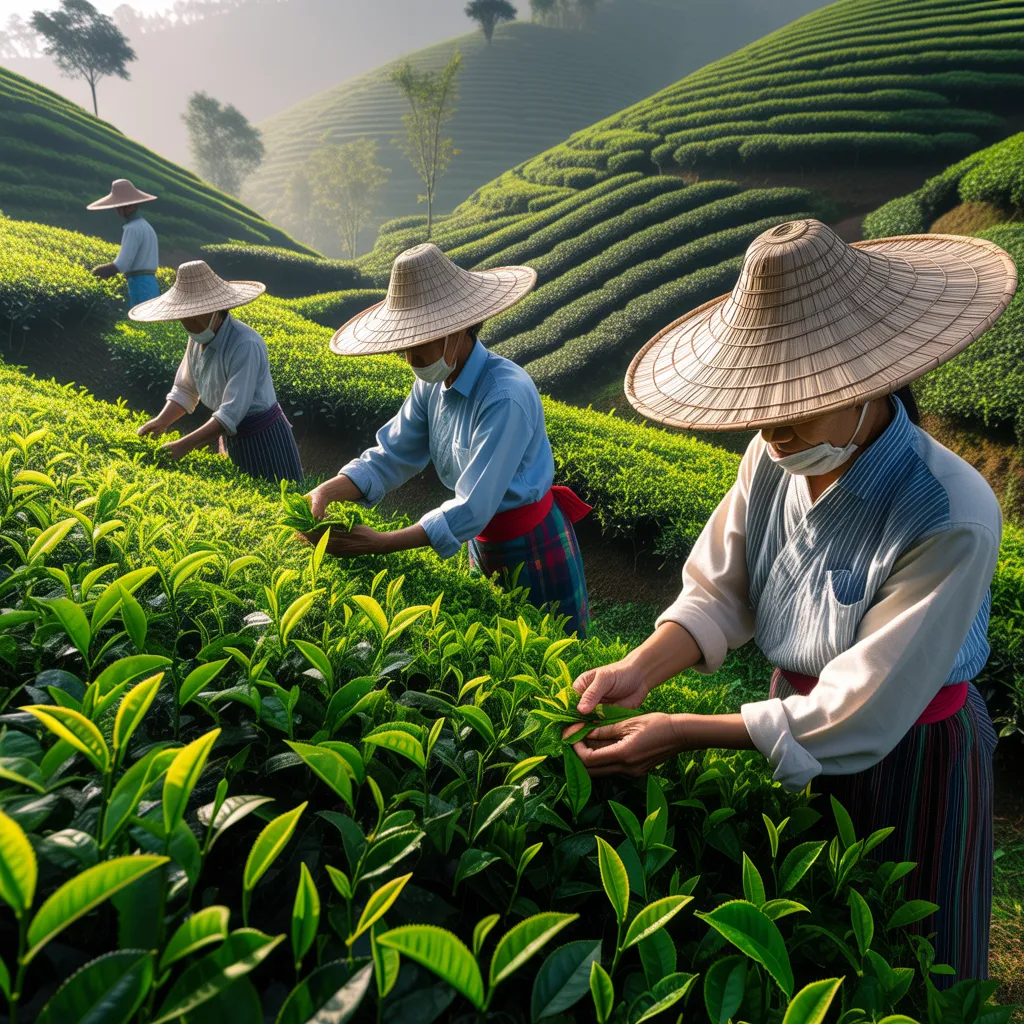
Learn the Sources of Fair Trade Tea
Fair Trade tea is rooted in the socioeconomic efforts intended to improve the wellbeing of excluded farmers. Emerging in the late 20th century, this initiative sought to correct imbalances in worldwide trade, chiefly in emerging nations where tea is frequently harvested. The endeavor gathered pace as consumers became increasingly mindful of the harsh truths faced by independent cultivators, including unfair pricing and exploitation by major conglomerates.
By utilizing cooperative structures, Fair Trade sought to strengthen these farmers, guaranteeing they obtained fair compensation and support for sustainable farming practices. The movement also concentrated on promoting ecological stewardship, promoting organic farming and biodiversity. As knowledge increased, Fair Trade tea became a symbol of responsible purchasing, connecting consumers directly with the origins of their beverages. By choosing Fair Trade tea, individuals contribute to a larger vision of social justice and economic equity, fostering a more sustainable future for tea-growing communities.
Comprehend ethical commerce for sustainable practices
Recognizing Fair Trade certification is necessary to understanding how sustainable practices are upheld within the tea industry. This certification confirms that producers receive fair wages and work under safe conditions, which directly nurtures community development. Fair Trade standards champion environmentally sustainable farming methods, reducing the use of harmful chemicals and encouraging biodiversity.
Certification encourages transparency in the supply chain, enabling consumers to trace their tea back to its source. By adhering to these guidelines, farms engage in practices that protect natural resources and support local environments. Additionally, Fair Trade groups often provide learning materials and training to farmers, enabling them to enhance their production methods and economic stability.
In the end, Fair Trade certification enhances the caliber of tea while also matching buyer preferences with responsible and sustainable values, rendering it a essential component of the tea sector's commitment to community responsibility and ecological stewardship.
Discover Leading Range of Fair Trade Tea
While many tea experts value the intense notes and scents of assorted teas, discovering the top kinds of Fair Trade tea reveals a more substantial commitment to ethical sourcing and sustainability. Some trendy options feature Fair Trade Assam, celebrated for its assertive, grain-like flavor, and Fair Trade Darjeeling, often referred to as the "Champagne of teas" for its delicate floral notes. Another prominent variety is Fair Trade Earl Grey, infused with bergamot, offering a distinctive lemon quality.
Furthermore, Fair Trade Green Tea, celebrated for its invigorating qualities and health benefits, is increasingly preferred among health-conscious consumers. Herbal blends, such as Fair Trade Chamomile and Peppermint, also excel, offering soothing and calming effects. Each of these varieties not only delivers exceptional flavor but also supports farmers and communities working for better livelihoods, making them a responsible choice for tea lovers seeking quality and ethical assurance.
Brewing Fair Trade Tea: Recommendations for a Exceptional Cup
To brew the ideal cup of Fair Trade tea, precision is vital, since the best practices can bring out the tea's distinctive flavors and smells. Initially, the quality of water is paramount; using purified water guarantees a clean taste that allows the tea's traits to come through. The water temperature is also critical; different tea varieties require exact temperatures; boiling water suits black tea and cooler is preferred for green or herbal varieties.
Following see information on this this, the soaking duration needs to be strictly observed. Oversteeping can generate bitterness, while inadequate steeping may not obtain the full flavor profile. A general guideline is 3-5 minutes for black tea and 2-3 minutes for green tea.
Finally, utilizing the proper proportion of tea to water enhances the flavor; one teaspoon of loose tea per cup is a solid starting point. By following these tips, tea enthusiasts can completely enjoy the rich offerings of Fair Trade tea.
Environmental Perks of Ethical Tea
Brewing Fair Trade tea not only elevates the tea encounter but also backs sustainable agricultural practices that advantage the ecosystem. Fair Trade accreditation motivates farmers to use organic farming methods, which minimize the dependence on damaging chemicals and synthetic inputs. This approach fosters biodiversity, helping to preserve local habitats and protect animal sanctuaries.
Additionally, Fair Trade methods often emphasize soil health and water preservation, ensuring that tea cultivation does not deplete essential resources. By supporting small-scale farmers, Fair Trade also cultivates agroforestry, which unites tea cultivation with other crops and trees, further strengthening environmental resilience.
Additionally, Fair Trade tea frequently includes eco-conscious packaging and delivery systems, lowering the greenhouse gas emissions connected to its delivery. In summary, selecting Fair Trade tea shows a conscious effort to advance a more sustainable agricultural system that honors both the planet and its inhabitants.

The Way Your Tea Choice Boosts Communities Worldwide
Opting for Fair Trade tea supports international communities by ensuring farmers receive fair wages and improved working conditions. This pledge ensures that tea cultivators can preserve their livelihoods while contributing to their families and regional markets. By selecting Fair Trade tea, buyers support the establishment of crucial community services, including education and healthcare.
Fair Trade certification promotes responsible conduct, requiring businesses to adhere to guidelines that emphasize employee protections and environmental sustainability. As a result, growers are incentivized to cultivate high-quality tea, which not only enhances their earnings but also creates satisfaction in their work.
Moreover, the unmediated trade relationships set up through Fair Trade eliminate exploitative middlemen, giving farmers to link with patrons worldwide. This transparency cultivates trust and motivates a global appreciation for the cultural meaning of tea. Ultimately, each cup of Fair Trade tea serves as a reminder of the meaningful change individuals can have on world societies through mindful consumption.
Regularly Asked Questions
What Ways Can Help Me Find Fair Trade Tea Products When Shopping?
To locate sustainably produced tea options in stores, one should look for verified badges, such as Fair Trade Certified or Rainforest Alliance. Additionally, exploring brands committed to ethical sourcing can help with making informed choices.
Can You Find Any Health Benefits Related to Fair Trade Tea?
Fair trade tea may provide multiple wellness advantages, including antioxidants supporting cardiovascular wellness, improved digestion, and increased mental sharpness. Furthermore, ethical sourcing practices promote environmentally conscious farming, ultimately benefiting a more sustainable ecosystem and improved community welfare.
Do I Locate Fair Trade Tea Available in Digital Shopping Platforms?
Yes, justly traded tea is abundantly accessible in web-based stores. Numerous retailers offer a comprehensive selection of varieties and types, ensuring purchasers can easily access ethically sourced options that copyright both ecological balance and just compensation practices.
What Effect Does Fair Trade Tea Have on Regional Economies?
Fair trade tea positively impacts local economies by ensuring farmers receive equitable pay, promoting community advancement, and encouraging sustainable farming practices. This support enhances livelihoods, promotes economic stability, and empowers communities to direct funds toward education and healthcare.
How Can I Maintain Fair Trade Tea to Achieve Peak Freshness?
To enhance quality, fair trade tea should be kept in an airtight container, away from pungent smells, humidity, and light. Storing it in a cool, dark place helps preserve its scent and taste over time.